Most people encounter minor skin issues from time to time — perhaps a bit of itching, a red spot, or slight swelling. These symptoms are usually harmless and often result from insect bites, allergic reactions, or mild skin conditions. However, in rare instances, persistent or unusual skin changes may point to an underlying health concern. This article explores medically documented cases of subcutaneous parasitic infections, how to identify potential warning signs, and practical steps for prevention and care.
In 2018, a 32-year-old woman in Russia visited a clinic after noticing a small bump on her face. Initially, she believed it might have been a common insect bite. Over the course of two weeks, she observed that the bump had shifted position slightly — first appearing below her lef
Medical professionals conducted a thorough evaluation and discovered the cause was Dirofi, a type of roundworm typically found in animals and occasionally transmitted to humans via mosquito bites. The case, published in the New England Journal of Medicine, brought attention to how such infections can present subtly.
The parasite was removed through a minor outpatient procedure, and the patient recovered fully without further complications.
Overview: Subcutaneous Parasitic Infections
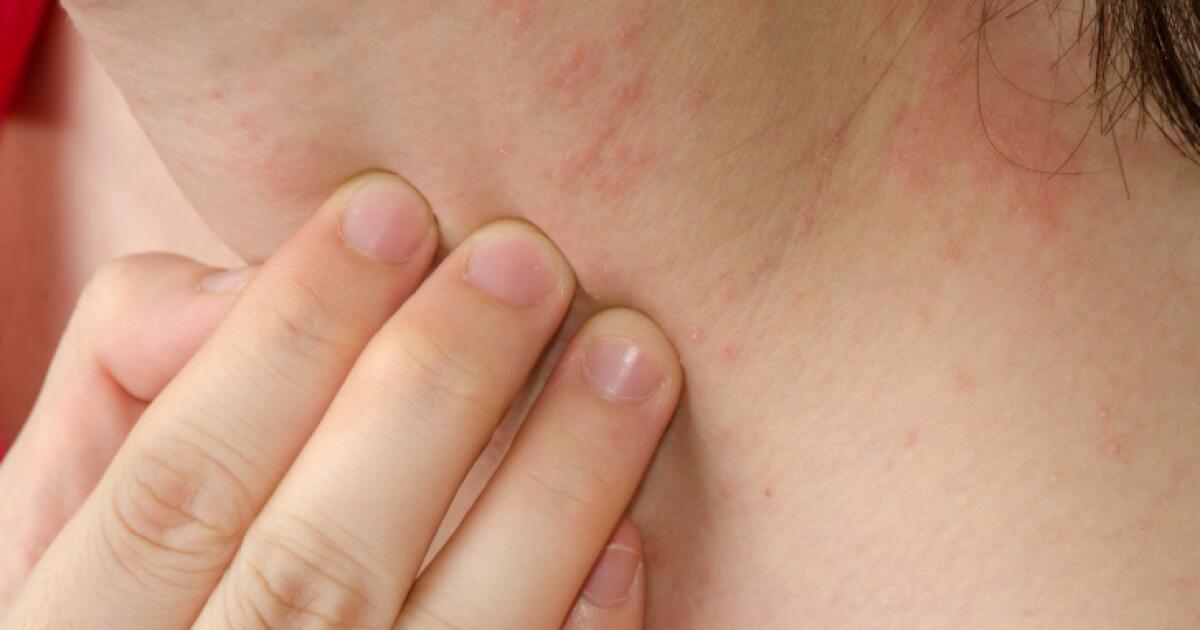
While very uncommon, certain parasitic organisms can affect human skin tissue. In most cases, these organisms are not able to fully develop in humans, but their presence can cause temporary localized symptoms.
Examples of Documented Infections:
-
Onchocerciasis (River Blindness): Caused by Onchocerca volvulus, this condition is transmitted by blackfly bites and is most prevalent in parts of sub-Saharan Africa. It can lead to skin nodules, persistent itching, and, in some untreated cases, visual impairment.
-
Cutaneous Larva Migrans: Often acquired by walking barefoot on contaminated soil, this condition is caused by hookworm larvae and appears as winding red lines on the skin. The affected areas may change position over time as the larvae migrate.
-
Loiasis (African Eye Worm): Found in regions of West and Central Africa, Loa loa infection is transmitted by deerflies. Symptoms include periodic swelling in the skin and, occasionally, visible movement of the organism in superficial tissue.
-
Schistosomal Dermatitis (Swimmer’s Itch): Caused by schistosome larvae encountered in freshwater environments, this condition leads to temporary red bumps and itching that typically resolve without treatment.
-
Dracunculiasis (Guinea Worm Disease): Though nearly eradicated, this waterborne disease once caused symptoms after ingestion of contaminated water. In advanced stages, the organism would exit the body slowly and required medical intervention.
Recognizing Unusual Skin Symptoms
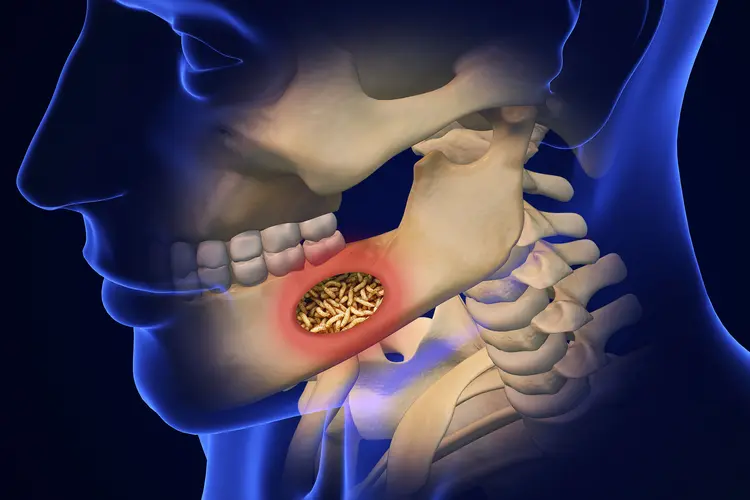
Most skin irritations are harmless and self-limiting. However, certain signs may suggest the need for a medical evaluation:
-
Unexplained or persistent itching
-
Small, firm bumps beneath the skin surface
-
Skin swelling without an obvious cause
-
Gradual shifting of skin lesions over time
-
Recent travel to or residence in areas where parasitic infections are more common
-
History of exposure to untreated water, soil, or insect bites
Changes in skin appearance or texture that persist for more than a few days — especially those that appear to move or expand — should be examined by a healthcare professional.
How Diagnosis Is Made

If a patient presents with unusual or persistent skin symptoms, healthcare providers may use several diagnostic tools:
-
Physical examination to observe changes or mobility in nodules
-
Ultrasound or MRI to assess deeper tissue layers
-
Blood tests to detect immune responses or specific antibodies
-
Tissue sampling or biopsy to identify the cause under laboratory analysis
Treatment typically involves localized removal of the affected tissue or organism. In some cases, anti-parasitic medication may also be recommended.
Prevention and Personal Protection Tips

Though rare, these infections are preventable with the right precautions, especially for those who travel or spend time outdoors:
-
Apply insect repellent approved by health authorities (such as DEET or picaridin-based products)
-
Wear protective clothing in areas with biting insects
-
Avoid walking barefoot in areas with untreated soil or animal waste
-
Swim only in clean, safe freshwater sources when traveling
-
Drink filtered, boiled, or bottled water in areas with poor sanitation
-
Research local health risks before international travel
Maintaining good hygiene and being cautious in high-risk environments are the best defenses.
What to Do If You Notice Unusual Skin Changes

If you notice a skin lesion that persists or changes in shape, size, or location — particularly if you have recently traveled or been exposed to outdoor environments — it is advisable to seek medical attention. Taking photos to document the progression of symptoms may assist your healthcare provider in reaching a diagnosis more efficiently.
Sharing travel history, environmental exposure, and timing of symptoms can play a vital role in identifying uncommon conditions early and accurately.
Conclusion: Stay Informed, Not Alarmed
The possibility of a parasitic infection may sound concerning, but these cases are rare and generally treatable with proper care. Most importantly, awareness allows individuals to act early, seek care when needed, and take appropriate preventive measures.
Healthcare professionals are trained to recognize and manage these conditions safely. By staying informed and paying attention to changes in your skin, you can enjoy travel and outdoor activities with peace of mind