Independent MP Rupert Lowe recently hosted Siobhan Whyte, the mother of Rhiannon Whyte, in Parliament to discuss the circumstances surrounding her daughter’s murder and broader implications for UK immigration and border security policies. The meeting has drawn attention to a high-profile case that continues to fuel debate over asylum processing, enforcement mechanisms, and public safety considerations.

Rhiannon Whyte, a 27-year-old mother of one, was fatally stabbed 23 times with a screwdriver in a frenzied attack at Bescot Stadium railway station in Walsall on October 20, 2024. The perpetrator, Deng Chol Majek, a Sudanese national who had entered the UK irregularly by small boat in July 2024, was residing at a hotel used to accommodate asylum seekers—where Rhiannon worked. Majek, assessed to be between 25 and 28 years old at the time despite initial claims of being 18 or 19, was convicted of murder and sentenced to life imprisonment with a minimum term of 29 years at Coventry Crown Court in January 2026.
Court proceedings revealed the attack was motiveless and lasted approximately 90 seconds, captured partially on CCTV footage that later showed Majek displaying erratic behavior. Victim impact statements described profound family devastation, with Siobhan Whyte addressing the court directly, expressing enduring pain and a sense of shared lifelong sentence for her family. She emphasized her daughter’s character as kind, intelligent, and devoted, particularly to her young son.
Siobhan Whyte has been vocal in public forums since the sentencing, articulating frustration with aspects of the UK’s immigration system that she believes contributed to the circumstances of the crime. In media interviews, she has called for greater accountability from government figures, including Prime Minister Keir Starmer, asserting that current policies have failed to prevent preventable risks. She has written letters requesting meetings with the Prime Minister and expressed disappointment over perceived lack of response or engagement from relevant authorities.
The case has intersected with wider political discourse on irregular migration. Majek’s entry via small boat crossing and subsequent placement in hotel accommodation highlight ongoing challenges in managing asylum claims, including processing delays, accommodation costs, and risk assessments for individuals in the system. Government data indicate continued high volumes of Channel crossings, though enforcement actions have increased removals in certain categories.
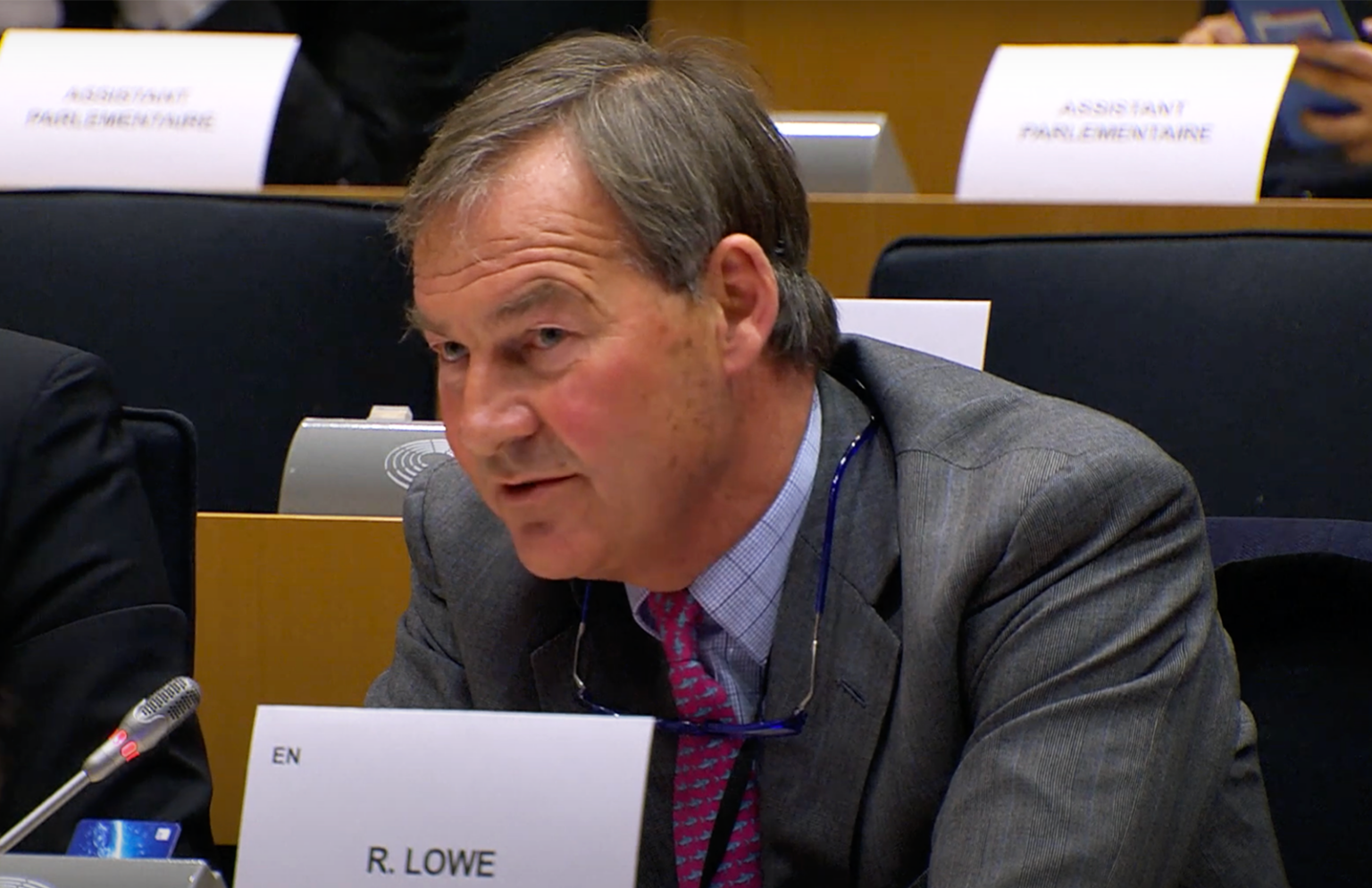
Rupert Lowe, who has positioned himself as an advocate for stricter immigration controls through his Restore Britain initiative, described the meeting as an opportunity to support Siobhan Whyte’s pursuit of answers and policy adjustments. He has publicly criticized what he views as inadequate border measures and called for comprehensive deportations of those without legal status. Lowe noted that Siobhan Whyte had reportedly received limited engagement from other MPs, framing his involvement as a response to that gap.
The encounter reflects broader parliamentary and public scrutiny of immigration frameworks under the current administration. The Labour government has maintained that its approach balances humanitarian obligations with border security, including expanded returns agreements, tightened visa rules in select categories, and investments in detection technology. Critics, including opposition parties and independent voices like Lowe, argue for more decisive caps, faster removals, and enhanced deterrence against irregular entry.
Public sentiment on these issues remains divided. Polling consistently shows immigration among top voter concerns, with many expressing support for reduced net migration while acknowledging economic dependencies on certain migrant labor streams. The Rhiannon Whyte case has been cited in discussions as illustrating potential human costs of policy shortcomings, though authorities emphasize that individual criminal acts cannot be generalized to entire groups.
Siobhan Whyte has also highlighted the personal toll beyond the immediate loss, including impacts on her grandson—who was five at the time—and extended family members. She has spoken of the difficulty in explaining the tragedy to a child and her determination to advocate for systemic changes that prioritize safety, particularly for women and vulnerable individuals. Her statements have included calls to “keep saying her name” to ensure Rhiannon’s story informs policy considerations.
Legal proceedings concluded with the life sentence, but the case’s resonance persists through family advocacy and political commentary. Shadow ministers have referenced it when critiquing government handling of migration volumes and enforcement efficacy. Meanwhile, the administration has pointed to ongoing reforms aimed at reducing backlogs and strengthening international cooperation on returns.
The meeting between Lowe and Siobhan Whyte serves as a focal point for these intersecting themes: individual tragedy, family grief, and national policy debate. As the UK navigates evolving migration pressures—driven by global displacement, economic needs, and security considerations—the case underscores the human dimensions that often underpin abstract policy discussions.

Moving forward, advocates like Siobhan Whyte seek tangible reforms, including enhanced vetting for asylum placements and accelerated processing to minimize community exposure to unassessed risks. Government responses continue to emphasize a managed, rules-based system compliant with international commitments while addressing domestic concerns over capacity and public confidence.
The persistence of such cases in public discourse highlights the challenge of balancing compassion for those fleeing persecution with robust safeguards for citizens. As parliamentary sessions and media coverage evolve, the Rhiannon Whyte tragedy remains a poignant reference point in ongoing efforts to refine immigration policy for greater effectiveness and safety.