While body language and facial expressions are well-known indicators of personality traits, foot structure and leg alignment can also offer insights into how your body moves, supports itself, and adapts to daily activities. Contrary to widespread internet myths, there is no scientific evidence linking foot or leg shape to romantic behavior or bedroom preferences. However, researchers in the fields of biomechanics and psychology have studied how posture and lower body alignment correlate with movement patterns, confidence, and health outcomes.
Let’s explore what your foot and leg structure may suggest about your physical function and well-being—grounded in fact, not fiction.
Understanding Leg and Foot Types: A Biomechanical Perspective
Each individual has a unique lower body alignment, influenced by genetics, muscle tone, gait, and lifestyle factors. Medical professionals and physiotherapists often analyze leg shape and foot structure to assess posture, balance, and movement efficiency.
Common Observations Include:
- Knee and ankle alignment
- Spacing between the thighs, knees, or calves
- Foot arch type (flat feet, high arches, neutral)
These observations are typically used to identify potential issues such as overpronation, valgus knees, or muscle imbalances, which may affect one’s comfort while walking, standing, or exercising.
According to the APMA, poor alignment in the lower limbs can contribute to lower back pain, hip discomfort, and gait instability, especially if left unaddressed.

Four Common Leg Alignment Types and What They May Indicate
While there is no psychological profiling based on leg shapes, the following physical categories can be helpful in understanding postural tendencies and potential musculoskeletal stress.
1. Type A: Narrow Gap Between Thighs and Knees
- Description: Legs appear close together when standing upright.
- Posture insight: This may suggest neutral alignment and a balanced gait.
- What it means physically: Often associated with strong inner thigh engagement and symmetrical movement, which may reduce injury risk in sports or everyday movement.

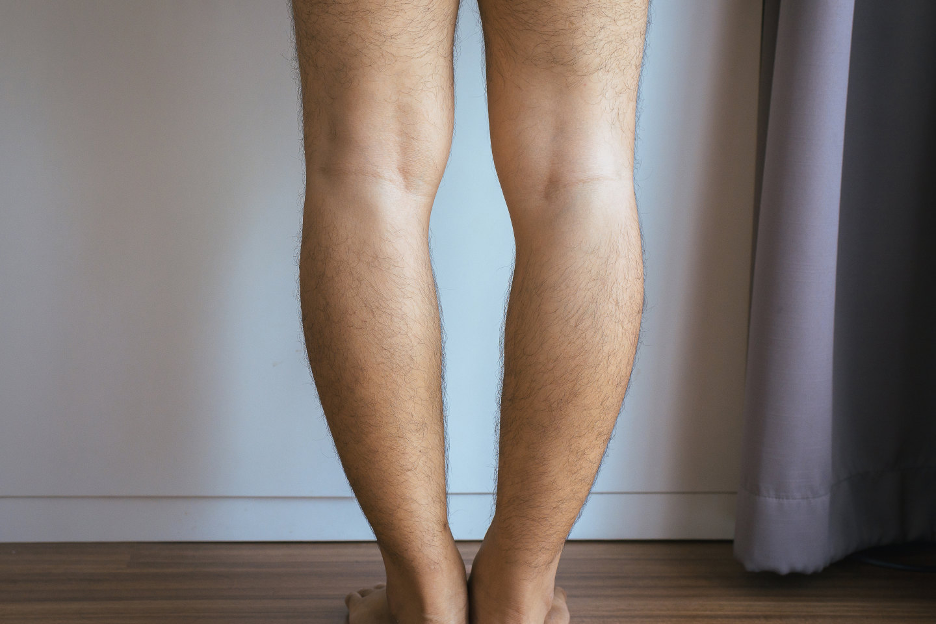
2. Type B: Legs Touch at Ankles Only
- Description: Visible gap between the thighs and knees; only the ankles make contact.
- Posture insight: This may indicate genu varum (bow-legged stance).
- What it means physically: According to NIH research, this alignment may be linked to childhood bone development or postural habits and may require assessment if it causes pain or imbalance.

3. Type C: Knees Touch, but Ankles Do Not
- Description: Knees meet while ankles remain apart.
- Posture insight: May suggest genu valgum, or “knock knees”.
- What it means physically: This can alter weight distribution in the feet and may lead to knee or ankle discomfort over time. Regular strengthening and stretching can help.

4. Type D: Legs Align Evenly at Knees and Ankles
- Description: A straight-leg appearance when standing naturally.
- Posture insight: Often an indicator of good lower-limb alignment.
- What it means physically: Suggests a balanced structural foundation that supports both static posture and dynamic movement.
Foot Shape and Personality: Is There a Connection?
Some articles claim that the shape of your feet or toes can indicate traits like confidence or romantic preferences. However, there is no scientific evidence supporting these associations. Foot shape is determined primarily by:
- Genetics
- Muscle structure
- Tendon length and elasticity
- Lifestyle habits (e.g., footwear use)
While foot posture can reflect athletic potential or standing habits, linking it to behavior in relationships or intimacy is purely speculative and not supported by peer-reviewed research.
The Role of Feet in Movement and Confidence
While foot shape alone doesn’t determine personality, postural stability and comfort while standing or walking can influence how people feel in social settings.
According to a study published in the Journal of Bodywork and Movement Therapies, individuals with chronic foot pain or misalignment may experience reduced mobility, fatigue, or self-consciousness, which can affect overall quality of life.
Those with healthy, well-supported feet are more likely to move confidently and comfortably, which can positively impact how they engage in both professional and social settings.

How to Improve Foot Health and Posture
Maintaining proper leg and foot alignment supports better mobility and can help you feel your best, regardless of personality type or relationship status.
Tips for Better Lower-Body Alignment:
- Wear supportive footwear that matches your arch type.
- Stretch regularly, especially the calves, hamstrings, and hip flexors.
- Strengthen glutes and core muscles to support lower limb alignment.
- Consult a podiatrist if you experience pain, imbalance, or visible misalignment.
- Use orthotics if recommended for flat feet, high arches, or gait irregularities.
:max_bytes(150000):strip_icc()/mountain-yoga-pose-516544810-5ad62bccc673350037c42fe6.jpg)
Summary: What Foot Shape Really Tells You
While it’s tempting to link foot or leg shape to personality or relationship behavior, such claims are not supported by scientific evidence. Instead, your feet and leg alignment can reveal important information about your musculoskeletal health, movement quality, and posture.
Understanding your foot structure can help you:
- Prevent injuries
- Improve balance and comfort
- Boost overall confidence through better mobility
If you have concerns about your leg shape or foot structure, speak with a licensed physical therapist, podiatrist, or orthopedic specialist. They can help you understand your body better—without the myths.
Sources:
- American Podiatric Medical Association
- NIH – Bone and Joint Conditions
- Harvard Health – Foot Health
- Journal of Bodywork and Movement Therapies
- Cleveland Clinic – Foot and Ankle Health