The fatal shooting of Renee Nicole Good has sent shockwaves across the United States, rapidly becoming one of the most contentious and emotionally charged.
Incidents in the ongoing national debate over immigration enforcement, law enforcement accountability, and political responsibility.
The incident occurred on Wednesday morning, January 7, in Minneapolis, Minnesota, during what federal authorities described as a targeted Immigration and Customs Enforcement (ICE) operation. Within hours, video footage from the scene began circulating widely on social media platforms, igniting public outrage, political division, and widespread protests.
What made the situation escalate so quickly was not only the death itself, but the combination of graphic visual evidence, conflicting official narratives, and high-profile political reactions that followed almost immediately.
The Incident as Captured on Video
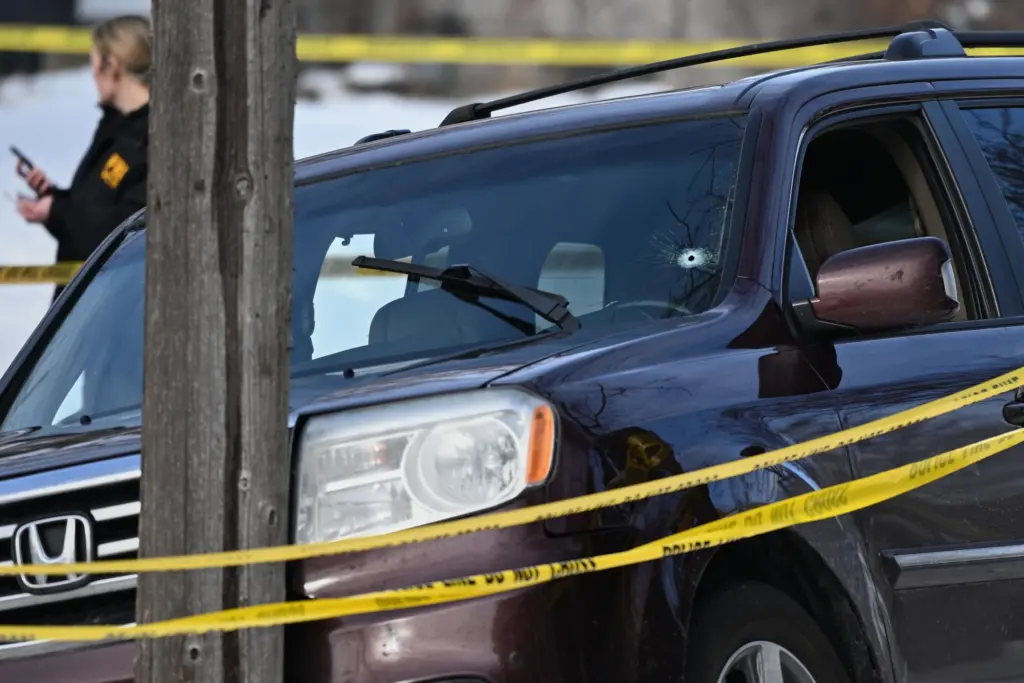
According to publicly available footage, federal officers are seen approaching a vehicle driven by a woman later identified as Renee Nicole Good, a 37-year-old resident of the Twin Cities area. The video appears to show one officer attempting to open the vehicle’s door as the car begins to move. Moments later, a second officer fires his weapon.
The vehicle then continues forward before colliding with a parked car several yards away. Emergency responders arrive shortly thereafter. Renee Nicole Good was later pronounced dead from her injuries.
Authorities have confirmed that the shooting is under active investigation, and multiple agencies are reviewing both the video evidence and officer conduct. As with many high-profile law enforcement cases, officials have emphasized that conclusions should not be drawn until the investigation is complete.
Who Was Renee Nicole Good?
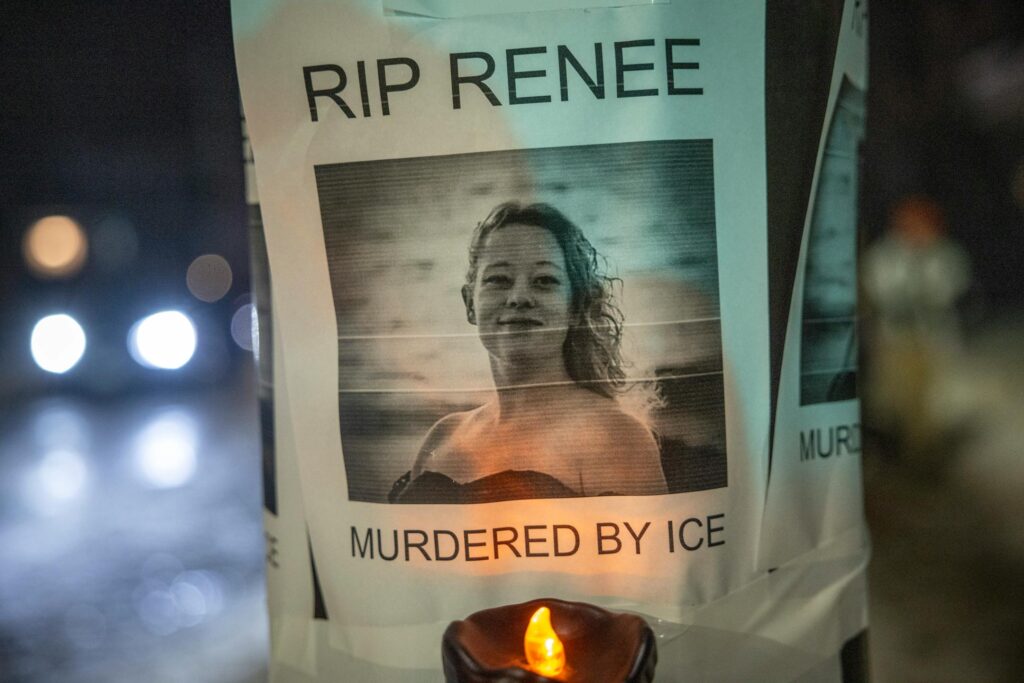
Renee Nicole Good was identified by her mother, Donna Ganger, who spoke publicly after being notified of her daughter’s death later that same morning. According to statements given to the Minnesota Star Tribune, Renee lived near the area where the incident occurred and was only a few blocks from her home at the time.
Her mother described her not as a political activist or protester, but as a deeply compassionate person who dedicated much of her life to caring for others.
“She was probably terrified,” Ganger said after learning preliminary details of the incident. She emphasized that her daughter had no involvement in anti-ICE demonstrations, countering early online speculation.
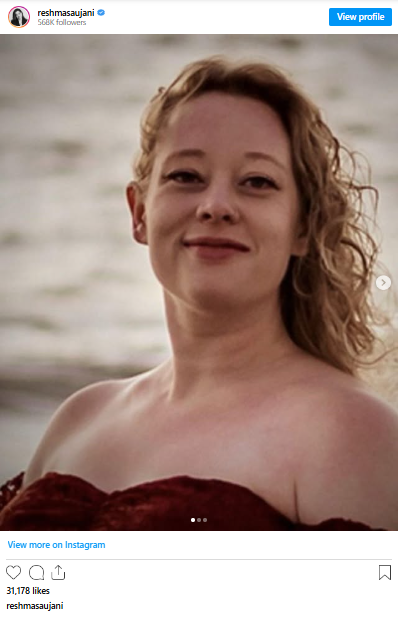
Renee, according to her family, was known for her kindness, emotional openness, and willingness to help others. Friends and relatives described her as loving, forgiving, and gentle — a portrayal that has sharply contrasted with some of the characterizations that emerged later in political discourse.
Public Reaction and Immediate Outrage
As the footage spread online, reactions were swift and intense. Protests erupted in Minneapolis and other cities, with demonstrators calling for accountability and demanding answers from federal authorities.
Many critics questioned whether lethal force was justified, particularly given the brief and chaotic nature of the encounter.
Civil rights advocates and legal analysts pointed out that video evidence often becomes central in determining whether law enforcement actions align with established use-of-force standards.
The emotional response was amplified by the visibility of the footage itself. Unlike written reports or official summaries, video invites the public to form immediate judgments — sometimes before all facts are known.
Democratic Leaders Condemn the Shooting
Several prominent Democratic lawmakers publicly condemned the incident, using unusually strong language.
Representative Alexandria Ocasio-Cortez characterized the killing as a “public murder,” stating that what viewers saw in the video represented a profound failure of restraint and accountability. S
he described the incident as emblematic of broader fears surrounding aggressive enforcement tactics and civilian safety.
Minneapolis Mayor Jacob Frey delivered one of the most forceful responses. During an emotional press conference, he criticized ICE’s presence in the city and accused the agency of undermining public trust.
He rejected claims that the shooting was an act of self-defense, stating that based on his own viewing of the video, that explanation did not align with what he observed. His remarks reflected a growing divide between local leadership and federal immigration authorities — a divide that has existed for years but has now intensified dramatically.
A Case That Became National Overnight
Within a single day, the death of Renee Nicole Good transformed from a local tragedy into a national flashpoint. The incident tapped into long-standing tensions surrounding immigration enforcement, federal authority, and the role of force in civilian encounters.
Crucially, the case unfolded in real time, with social media accelerating every reaction, every statement, and every interpretation. As a result, public opinion hardened rapidly — often before official investigations could provide clarity.
What made the situation even more volatile was what came next: direct intervention from the highest levels of political leadership, which would further polarize the country and reshape the narrative around Renee Nicole Good’s death.
As investigations into the death of Renee Nicole Good continued, the focus of national attention shifted rapidly from the streets of Minneapolis to Washington, D.C. What had begun as a tragic and chaotic encounter between civilians and federal officers soon evolved into a defining political moment, shaped largely by the words of the country’s most powerful figures.
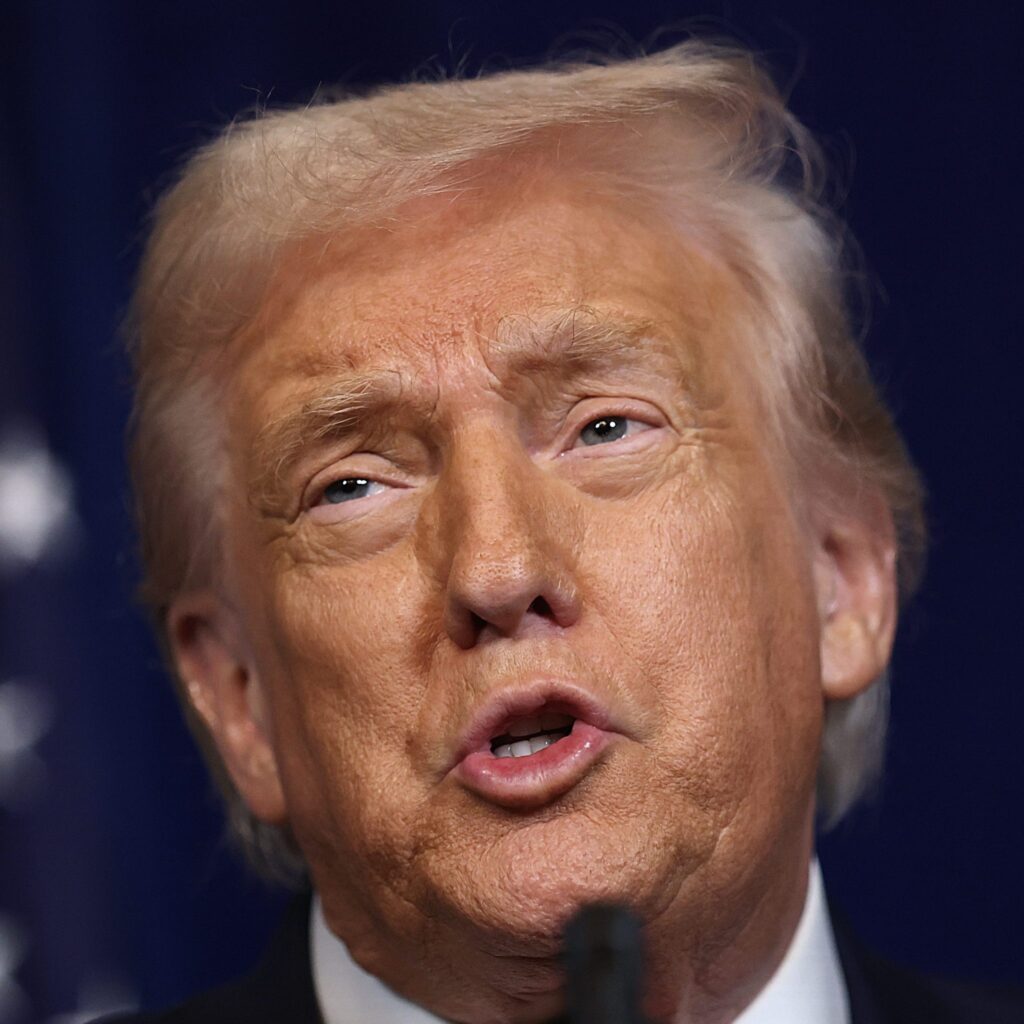
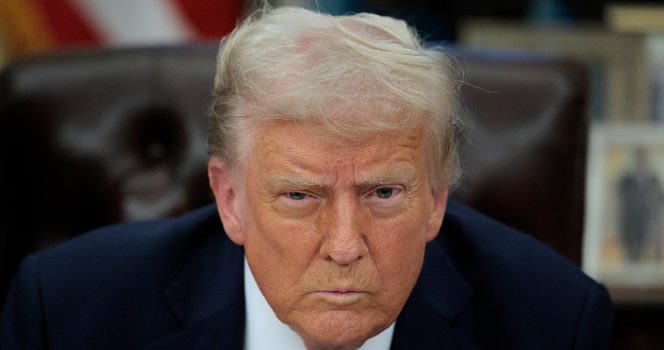
Within hours of the footage spreading online, President Donald Trump weighed in publicly, offering an interpretation of events that sharply diverged from the reactions of local officials and many Democratic lawmakers.
His comments did not attempt to strike a neutral tone or acknowledge uncertainty. Instead, they placed responsibility squarely on the woman who was killed.
In a statement posted on his social media platform, Trump said he had viewed the video and described it as “a horrible thing to watch.” However, he framed the encounter as a clear case of self-defense, asserting that the driver had violently attempted to harm an ICE officer.
According to his account, the officer fired his weapon out of fear for his life and the safety of others.
Trump’s language was definitive, not conditional. He characterized the individuals involved as disorderly and resistant, and he linked the incident to what he described as a broader pattern of hostility toward law enforcement.
He concluded by reaffirming his administration’s unwavering support for ICE officers and condemning what he called a “radical movement of violence and hate.”
A Statement That Deepened the Divide
The president’s remarks immediately intensified an already volatile situation. For critics, his comments appeared to dismiss the gravity of a civilian death and preempt the findings of an ongoing investigation. For supporters, they reinforced a long-standing belief that law enforcement officers are operating under constant threat and deserve firm political backing.
Online reaction was swift and polarized. Social media platforms filled with opposing interpretations of the same video footage. Some users condemned Trump’s statement as callous and premature, accusing him of shifting blame before all facts were known. Others praised his decisiveness and echoed his emphasis on respecting law enforcement authority.
The reaction underscored a central tension in modern American political life: the same event can be viewed simultaneously as a tragic misuse of force and as a justified act of self-preservation, depending largely on political perspective.
Federal Authorities Close Ranks
Shortly after Trump’s statement, the Department of Homeland Security (DHS) released an official response defending the ICE officers involved. The department stated that officers were conducting lawful, targeted operations when they encountered what they described as violent interference.
According to DHS, one individual used a vehicle in a manner that posed a serious threat to officers on the scene. The department characterized the shooting as a defensive response taken under extreme pressure. It also emphasized that officers who were injured were expected to recover.
In its statement, DHS pointed to what it described as a sharp rise in assaults and threats against immigration officers nationwide, arguing that political rhetoric and local policies had contributed to a more dangerous operating environment.
The department framed the incident not as an isolated tragedy, but as part of a broader pattern of escalating hostility toward federal law enforcement.
As with Trump’s remarks, the DHS statement was met with sharply divided reactions. Supporters viewed it as a necessary defense of officers doing their jobs under difficult conditions. Critics argued that it reinforced a narrative before investigators had completed their work.
Vice Presidential Support and Escalating Rhetoric
Vice President JD Vance added his voice to the debate later that evening. In a series of posts on social media, he acknowledged that the death was tragic but asserted that responsibility lay with the actions that preceded it.
He warned against interfering with federal law enforcement operations and emphasized that the administration would continue enforcing immigration laws aggressively.
Vance’s comments echoed a broader theme emerging from the White House: sympathy for the loss of life could coexist with firm institutional support for law enforcement, even while investigations were ongoing.
Together, the statements from the president, vice president, and DHS created a unified federal stance—one that contrasted sharply with the responses from Minneapolis city leaders and many state and national Democrats.
The Role of Video in Shaping Public Judgment
A defining feature of the case has been the role of video footage. In an era of constant recording and instant sharing, visual evidence often becomes the centerpiece of public debate. Yet video rarely tells a complete story. Angles, timing, and context can shape perception in powerful ways.
Legal experts have cautioned that while video is a critical tool, it must be evaluated alongside witness statements, forensic evidence, and established use-of-force guidelines. Investigators must determine not only what happened, but what the officers reasonably perceived in the moment.
Still, for the public, the video has become a symbol. To some, it represents excessive force and the dangers of aggressive enforcement. To others, it shows the split-second decisions officers must make in unpredictable situations.
A Flashpoint in a Larger National Debate
The death of Renee Nicole Good has become more than a single case under investigation. It has emerged as a focal point in long-running debates over immigration policy, federal authority, and police accountability.
For immigration advocates, the incident raises questions about the risks posed by enforcement actions conducted in residential neighborhoods. For supporters of ICE, it highlights the dangers officers face and the need for clear authority and political backing.
For the family of Renee Nicole Good, however, the political arguments offer little comfort. Their loss exists outside partisan frameworks, rooted in grief rather than ideology.
An Investigation Still Unfolding
At the time of writing, multiple reviews of the incident remain ongoing. Authorities have stated that more information will be released as it becomes available. No final determination has been made regarding criminal or disciplinary responsibility.
What is clear is that the outcome of this investigation will carry implications far beyond Minneapolis. It may influence future enforcement practices, political messaging, and public trust in federal agencies.
A Moment That Will Not Fade Quickly
Whether the shooting is ultimately deemed justified or unjustified under the law, its impact is already undeniable. Renee Nicole Good’s death has exposed deep divisions in how Americans view authority, accountability, and the value of restraint.
The case serves as a reminder that in moments of crisis, facts, emotions, and politics collide—often before clarity has a chance to emerge. And once narratives harden, they can shape public memory long after investigations conclude.
For now, the country waits. The questions raised by this tragedy remain unresolved, and the debate it sparked shows no sign of fading. What happens next will help define not only this case, but the broader relationship between power, enforcement, and public trust in America.