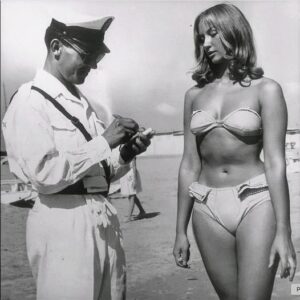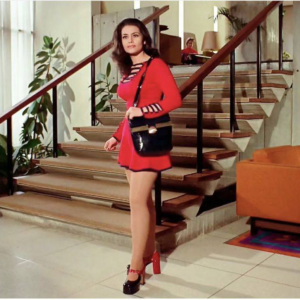
A Star Who Set Every Stage Ablaze
Have you ever watched someone step into the spotlight and make the entire room hold its breath? That was Rossy Mendoza—a living flame who turned cabarets into her personal playground. With a body that could stop traffic and a presence that made even the shyest audience member lean in, she wasn’t just a performer; she was an experience. Born María del Rosario Mendoza Chávez on June 6, 1945, in Ixtlán del Río, Nayarit, Mexico, Rossy would become the unforgettable “goddess of the stage,” blending song, dance, and charisma into an irresistible show. Her story isn’t just about glamour; it’s about boldness, resilience, and a life lived on her own terms.
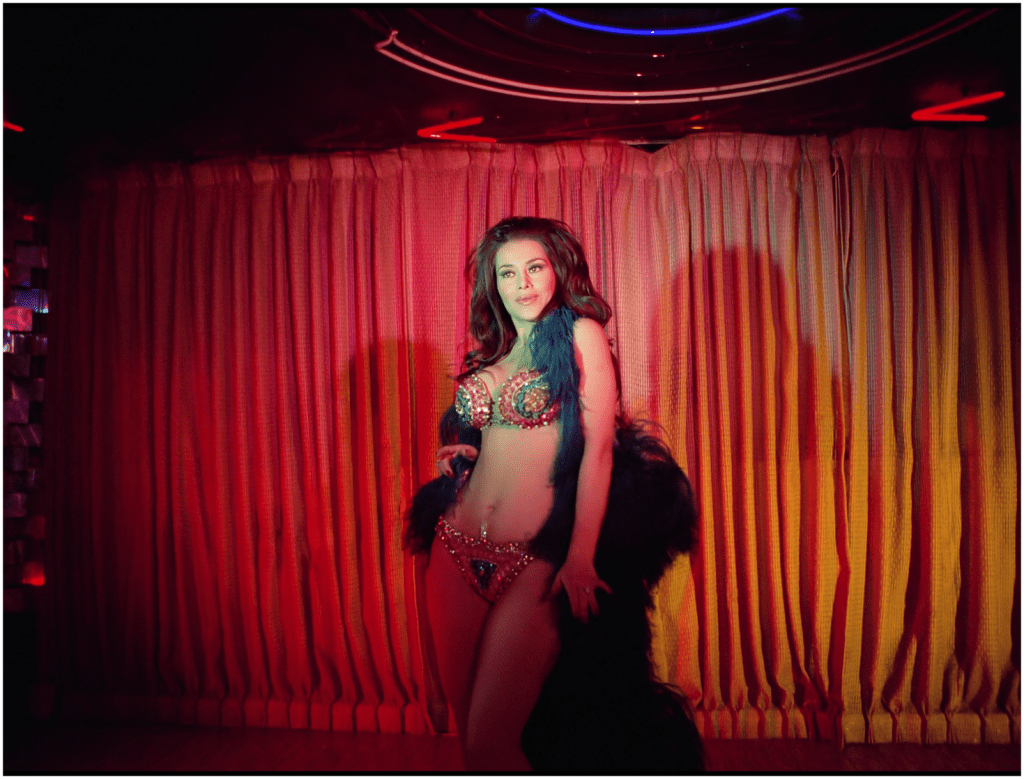
From Nayarit to Sonora: The Spark of a Future Icon
Rossy’s journey began in a small town where the rhythms of mariachi and folk music shaped her earliest memories. Her parents’ move to Ciudad Obregón, Sonora, when she was just nine opened doors to new sounds and sights. Even as a child, she was captivated by the movement of dancers at local fiestas, her wide eyes soaking in every swirl and step. For a while she studied at a strict boarding school in Guadalajara, but her free spirit couldn’t be contained. Sonora called her back, and with it came the first taste of the nightlife that would define her career.
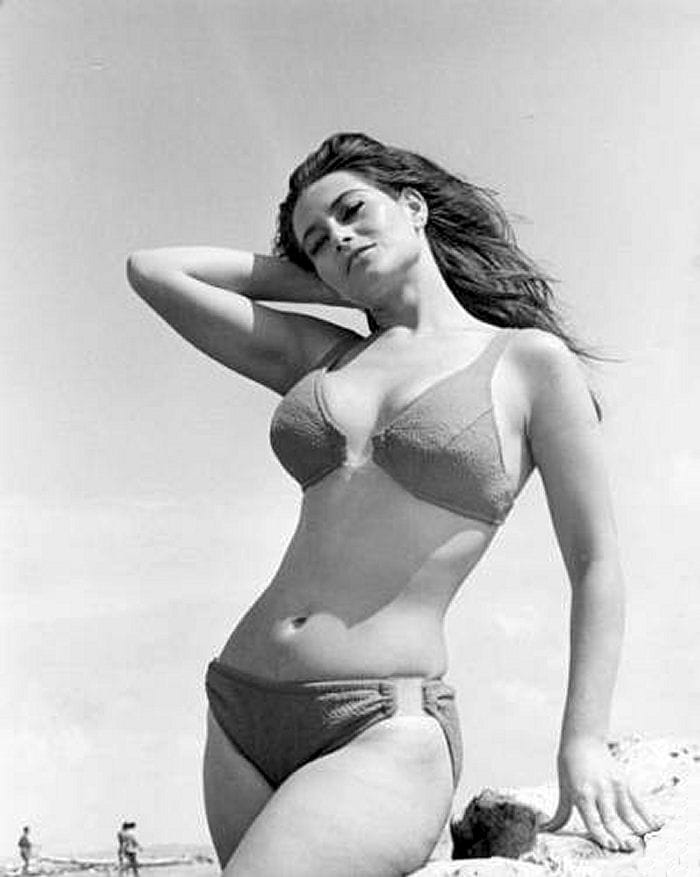
By the mid-1960s, a teenage Rossy was already testing her talents on the cabaret circuit. The venues were smoky and modest, the costumes often threadbare, but her natural magnetism was undeniable. Audiences were drawn to her slim waist and mischievous eyes, and soon even famed bandleader Dámaso Pérez Prado honored her with a mambo titled La Cintura de Rossy—“The Waist of Rossy.” For Rossy, talent wasn’t just a gift; it was a force that broke through barriers, turning every challenge into a stepping stone.
Video : Muere la vedette Rossy Mendoza a los 80 años en la CDMX | De Primera Mano
Bursting into the Spotlight of Mexico City
The 1960s in Mexico were electric with change, and cabarets were at the heart of it. Rossy Mendoza arrived in Mexico City like a lightning bolt. She wasn’t content to be just another dancer; she sang with a voice that wrapped audiences in velvet and delivered performances that balanced elegance with daring. By the early 1970s, she had joined the celebrated traveling revue La Caravana Corona, performing alongside stars like Juan Gabriel and Amalia Mendoza. Whether in small-town theaters or grand arenas, she stole every show, her blend of music and dance leaving audiences breathless.