Cholesterol is a waxy substance similar to fat found in your bloodstream.
While your body needs it to build healthy cells, having too much cholesterol can raise your risk of heart problems. There are two main kinds: low-density lipoprotein (LDL), often called “bad” cholesterol, and high-density lipoprotein (HDL), known as “good” cholesterol. High cholesterol usually means excessive LDL, which can accumulate as fatty deposits in your arteries, increasing the chances of blockages, heart attacks, or strokes.
Health Risks Linked to High Cholesterol
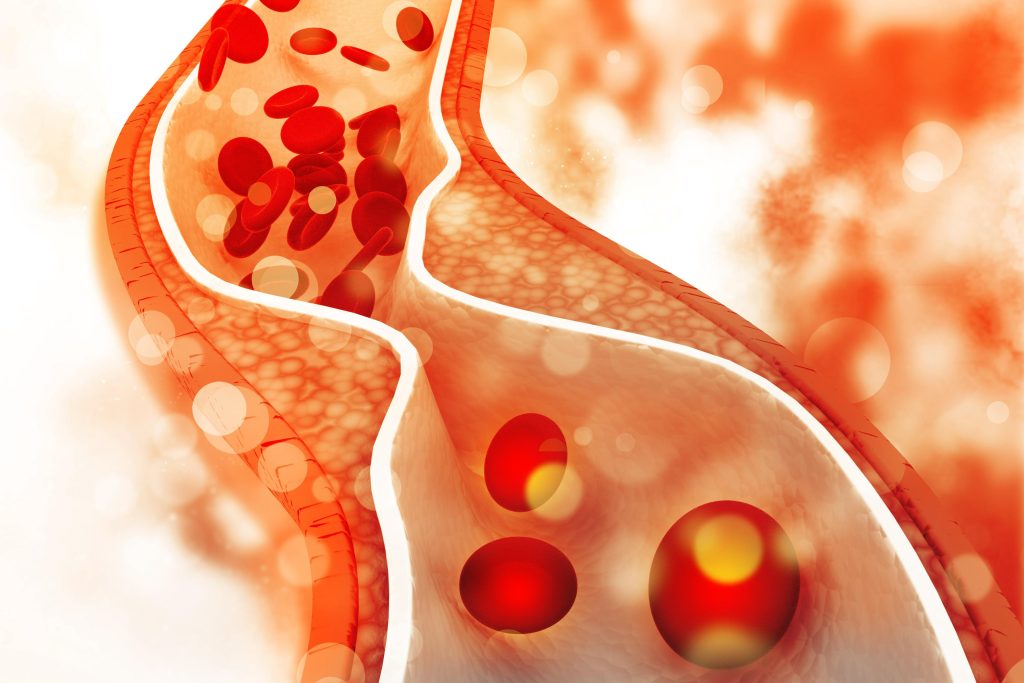
Elevated cholesterol levels pose a serious threat to heart health. High LDL can cause plaque buildup inside arteries, narrowing them and making it difficult for blood to circulate properly. This condition, atherosclerosis, reduces blood flow to vital organs like the heart and brain, potentially leading to heart attacks or strokes. Additionally, high cholesterol may worsen high blood pressure and diabetes, adding complexity to your overall health.
Diet Tips to Help Lower Cholesterol
To bring down cholesterol, focus on eating plenty of fruits, veggies, whole grains, and lean proteins. Foods rich in soluble fiber — such as oats, beans, lentils, apples, and pears — are especially helpful in reducing LDL. Include healthy fats from olive oil, avocados, and nuts while cutting back on trans fats and saturated fats found in processed foods, red meat, and full-fat dairy. Eating fatty fish like salmon or mackerel, packed with omega-3s, can also support heart health.
Exercise and Cholesterol: What You Need to Know

Staying active can boost your “good” HDL cholesterol while lowering LDL and triglycerides. Aim for at least 150 minutes of moderate-intensity exercise, like brisk walking or cycling, or 75 minutes of vigorous activity such as running or swimming each week. Exercise benefits not only cholesterol levels but also overall heart health, weight control, and stress reduction.
Managing Stress and Sleep for Better Cholesterol
Stress and poor sleep can negatively affect cholesterol. Stress might lead to unhealthy eating and higher LDL levels. Techniques like meditation, yoga, or deep breathing can help you manage stress. Getting 7 to 9 hours of quality sleep each night is also key to maintaining healthy cholesterol and overall wellness.
Natural Supplements: What Could Help
Certain natural supplements may aid in lowering cholesterol. Plant sterols and stanols can reduce cholesterol absorption, while soluble fiber supplements like psyllium and omega-3 fish oil supplements may offer benefits. However, always talk to your doctor before starting supplements, as they can interact with medications or may not suit everyone.
Keeping Track of Your Cholesterol
Regular cholesterol checks are important to monitor and manage your levels. A lipid panel blood test can measure your total cholesterol, LDL, HDL, and triglycerides. Adults over 20 should get tested every 4-6 years, or more often if you have heart disease risks. Tracking your numbers helps your doctor see how well your lifestyle changes are working.
When Medication Might Be Needed
If lifestyle changes aren’t enough, your doctor may suggest medications like statins, which are commonly prescribed to lower LDL. Other drugs include bile acid sequestrants, cholesterol absorption inhibitors, and PCSK9 inhibitors. Discuss with your healthcare provider to understand the benefits and possible side effects before starting treatment.
Partnering with Your Healthcare Team
Working with your healthcare providers is crucial for managing high cholesterol. They can help design a plan tailored to your needs, including diet, exercise, lifestyle changes, and medication if necessary. Regular follow-ups ensure you stay on track and adjust your plan as needed.
Long-Term Habits for Healthy Cholesterol
Keeping cholesterol in check means committing to a healthy lifestyle for the long haul. This includes balanced eating, consistent physical activity, stress management, and good sleep. Routine monitoring and open communication with your healthcare team will support your efforts. Making these habits part of your daily routine can lower your heart disease risk and boost your overall health.