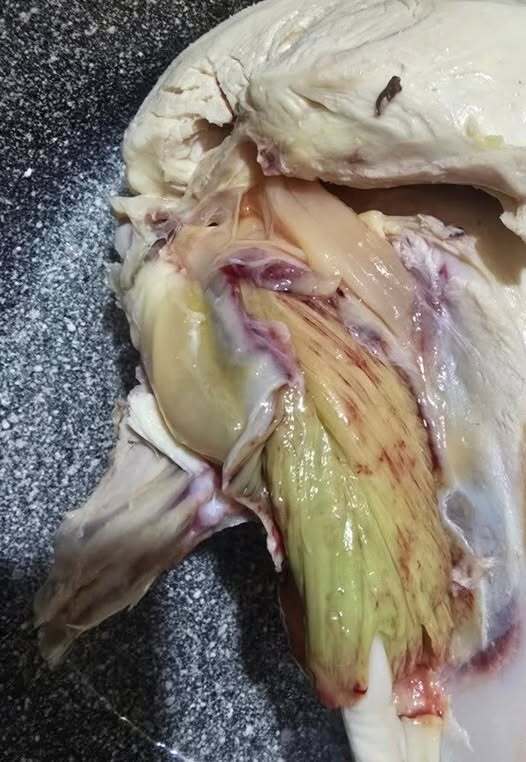
Cooking at home is often built on familiarity. You shop for ingredients, bring them into your kitchen, and prepare meals with a certain level of expectation about how everything should look, smell, and feel. Chicken, in particular, is one of those ingredients people handle frequently, so any deviation from the norm can be unsettling. One such situation is noticing a greenish tint on raw chicken. It’s not something most people expect to see, and it naturally raises concern.
At that moment, several questions may come to mind. Is the chicken spoiled? Is it dangerous to eat? Or is it simply a harmless variation that looks worse than it actually is? The truth is that the answer can vary depending on several factors. Not all discoloration means the meat has gone bad, but it also should not be ignored without careful evaluation.
Understanding why chicken can sometimes appear green, how to properly assess its condition, and what actions to take can help you make safer and more confident decisions in the kitchen. This guide explores the causes, warning signs, and best practices for handling chicken that doesn’t look quite right.
Understanding Why Chicken May Turn Green
A greenish hue in chicken meat can happen for more than one reason, and not all of them are related to spoilage. One possible explanation is a condition sometimes referred to as deep muscle discoloration. This can occur when certain muscles receive less oxygen while the bird is alive. As a result, pigments in the muscle can change, creating unusual shades that may include greenish or grayish tones, especially in areas close to the bone.
Another relatively harmless cause can be related to bruising. Just like in humans, bruises in animals can alter the color of tissue. Depending on how the bird was handled during processing or transport, minor trauma could lead to discoloration that appears unusual but is not necessarily dangerous.
Lighting and packaging can also play tricks on your eyes. Meat stored under certain types of plastic wrap or lighting conditions can appear slightly different in color than it actually is. Once removed from the packaging and exposed to natural light, the color may look more normal.
However, not all greenish tones are harmless. In some cases, a green color can be linked to bacterial growth and spoilage. That’s why it’s important not to rely on color alone when deciding whether chicken is safe to use.
Signs That Chicken May Be Spoiled
While color is one clue, it should always be evaluated alongside other indicators. One of the most reliable signs of spoilage is smell. Fresh chicken typically has little to no odor. If it smells sour, sulfur-like, or otherwise unpleasant, that is a strong indication that it has gone bad.
Texture is another key factor. Fresh raw chicken should feel slightly moist but not slimy. If the surface feels sticky, tacky, or coated in a thick film, this may signal bacterial growth. Even if the color looks acceptable, a slimy texture is a warning sign that should not be ignored.
Pay attention to the packaging as well. If the package is swollen or leaking, it could indicate gas production from bacteria, which is a sign of spoilage. Checking the expiration or “use by” date is also important, though it should not be the only factor you consider. Improper storage can cause chicken to spoil even before that date.
Safe Handling and Storage Practices
Preventing confusion and reducing risk starts with proper handling. Always store raw chicken in the refrigerator at a temperature below 4°C (40°F). If you do not plan to use it within one to two days, freezing is a safer option.
Keep raw chicken separate from other foods to avoid cross-contamination. Use separate cutting boards and utensils, and wash your hands thoroughly after handling it. These steps are essential regardless of whether the chicken looks normal or not.
When thawing frozen chicken, avoid leaving it at room temperature. Instead, thaw it in the refrigerator, in cold water (changed regularly), or in the microwave if you plan to cook it immediately. Improper thawing can encourage bacterial growth, increasing the risk of spoilage.
When in Doubt, Throw It Out
One of the most important rules in food safety is simple: if you are unsure, do not take the risk. Even if the chicken’s discoloration might have a harmless explanation, it is not worth gambling with your health. Foodborne illnesses can be serious, and symptoms may not appear immediately.
It’s also important to remember that cooking does not always make spoiled food safe. While proper cooking kills many harmful bacteria, it does not eliminate all toxins that bacteria may have already produced.
Building Confidence in the Kitchen
Encountering something unexpected, like greenish chicken, can shake your confidence, especially if you cook regularly. But situations like this can also be opportunities to learn more about food safety and how to trust your judgment.
By paying attention to multiple factors—color, smell, texture, storage conditions—you can make more informed decisions. Over time, this awareness becomes second nature, helping you feel more comfortable handling ingredients even when they don’t look exactly as expected.
Cooking at home should feel safe and rewarding, not stressful. While it’s natural to be cautious, understanding the reasons behind unusual appearances can help you respond calmly and responsibly.
Final Thoughts
A greenish tint on chicken is not always a sign of danger, but it is always a signal to take a closer look. Some causes are harmless and related to natural variations in the meat, while others may point to spoilage and potential health risks.
The key is to evaluate the situation carefully, using all available clues rather than relying on appearance alone. When handled and stored properly, chicken remains a safe and versatile ingredient. But when something feels off, trusting your instincts and prioritizing safety is always the best choice.
In the end, knowledge is what turns uncertainty into confidence. And in the kitchen, that confidence makes all the difference.