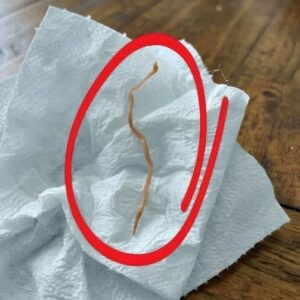
Chin whiskers in women, which are often a source of concern, are more common than many realize. These facial hairs can differ in texture and color, ranging from fine and light to coarse and dark. While some women may notice only a few stray hairs, others might experience more pronounced growth. While some women may notice only a few stray hairs, others might experience more pronounced growth. Understanding the underlying causes of chin whiskers is very important for managing them effectively. It’s important to recognize that chin whiskers are a normal part of life for many women, and they can be influenced by many factors including hormonal changes, genetics, and certain medical conditions.

Like all body hair, hair growth on the chin is influenced by the hair growth cycle which includes the anagen (growth), catagen (transitional), and telogen (resting) phases. Androgens, a group of hormones that includes testosterone, play a crucial role in stimulating hair growth. While women naturally produce androgens, an imbalance or increased sensitivity to these hormones can lead to more noticeable facial hair. The density and distribution of hair follicles, which are determined genetically, also affect how much hair grows on the chin.
Hormonal fluctuations are a main cause of chin whiskers in women. Conditions such as polycystic ovary syndrome (PCOS) can lead to elevated androgen levels, causing hirsutism, which is excessive hair growth in areas where men typically grow hair. Menopause is another period when women might notice an increase in facial hair due to a decrease in estrogen levels, which can alter the balance of hormones. Birth control pills and other medications that affect hormone levels can also contribute to changes in facial hair growth.
Genetics play an important role in determining hair growth patterns. If your mother or grandmother had chin whiskers, you might be more likely to experience them as well. Ethnicity can also influence hair growth, with women of Middle Eastern, Mediterranean, and South Asian descent often experiencing more facial hair. Understanding your family history can provide insights into what you might expect regarding facial hair growth.
Some medical conditions are associated with excessive facial hair in women. PCOS is the most common, but other conditions such as adrenal gland disorders, Cushing’s syndrome, and certain tumors can also cause increased androgen production. Hypothyroidism can sometimes be linked to changes in hair growth patterns. It’s important for women experiencing sudden or excessive facial hair growth to consult with a healthcare provider to rule out underlying medical issues.
1. Self-consciousness and embarrassment.
2. Anxiety and stress about appearance.
3. Time and financial costs of hair removal.
4. Skin irritation from frequent hair removal.
5. Impact on social interactions and relationships.
6. Negative body image and self-esteem issues.
7. Obsession with checking and removing hair.
8. Avoidance of certain social situations.
9. Concerns about underlying health issues.
10. Potential for depression or anxiety disorders.
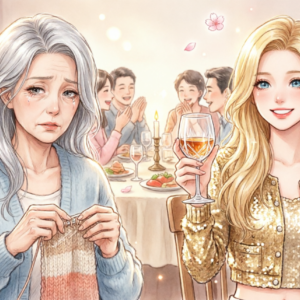
The presence of chin whiskers can significantly affect a woman’s self-esteem and body image. Many women feel embarrassed or self-conscious about their facial hair, causing anxiety and a negative self-image. This can affect social interactions, professional life, and personal relationships. The pressure to conform to societal beauty standards can exacerbate these feelings, making it important to address the psychological impact and seek support if needed.
Cultural norms and societal expectations play a crucial role in how women perceive facial hair. In many cultures, smooth, hairless skin is considered the ideal, leading women with facial hair to feel stigmatized or less feminine. Media portrayals and beauty standards often reinforce these perceptions, contributing to the pressure women feel to remove facial hair. However, attitudes are slowly changing, with more conversations around body positivity and acceptance of natural beauty.

There are many hair removal options available for women with chin whiskers. Temporary methods include plucking, waxing, shaving, and depilatory creams. For longer-lasting results, women can consider laser hair removal or electrolysis, which target hair follicles to reduce growth. Prescription creams like eflornithine can also slow hair growth. It’s important to choose a method that suits your skin type and lifestyle, and to consult with a dermatologist if you have sensitive skin or experience irritation.
If you notice a sudden increase in facial hair, or if it’s accompanied by other symptoms like irregular periods, weight gain, or acne, it’s important to consult a healthcare professional. They can help determine if there’s an underlying medical condition that needs to be addressed. A doctor may recommend blood tests to check hormone levels or imaging tests to examine the ovaries and adrenal glands. Early diagnosis and treatment can help manage symptoms and improve quality of life.
Some lifestyle changes and natural remedies can help manage chin whiskers. Maintaining a healthy weight can help regulate hormone levels, particularly in women with PCOS. A balanced diet high in fruits, vegetables, and whole grains can support overall health. Some women find that spearmint tea, which may have anti-androgen properties, can help reduce hair growth. Stress management techniques like yoga and meditation can also be beneficial, as stress can impact hormone levels.
Conclusion: Embracing and Managing Chin Whiskers
Though chin whiskers can be a source of concern for many women, understanding the causes and available management options can help alleviate some of the stress associated with them. It’s important to approach the issue with a sense of acceptance and self-compassion. Whether you choose to remove the hair or embrace it, the decision should be based on what makes you feel comfortable and confident. Remember, you’re not alone, and there are resources and support available to help you navigate this aspect of your health and well-being.