Noticing purple or bluish veins on your legs can be unsettling. In many cases, these veins are varicose veins or spider veins, which occur when blood vessels located close to the skin become enlarged or weakened, making them more visible. While they may initially seem like a cosmetic concern, they can also signal underlying circulation issues that should not be ignored. Recognizing the causes, risk factors, and treatment options can help you take early action and maintain healthy blood flow.
What Are Purple or Bluish Veins?
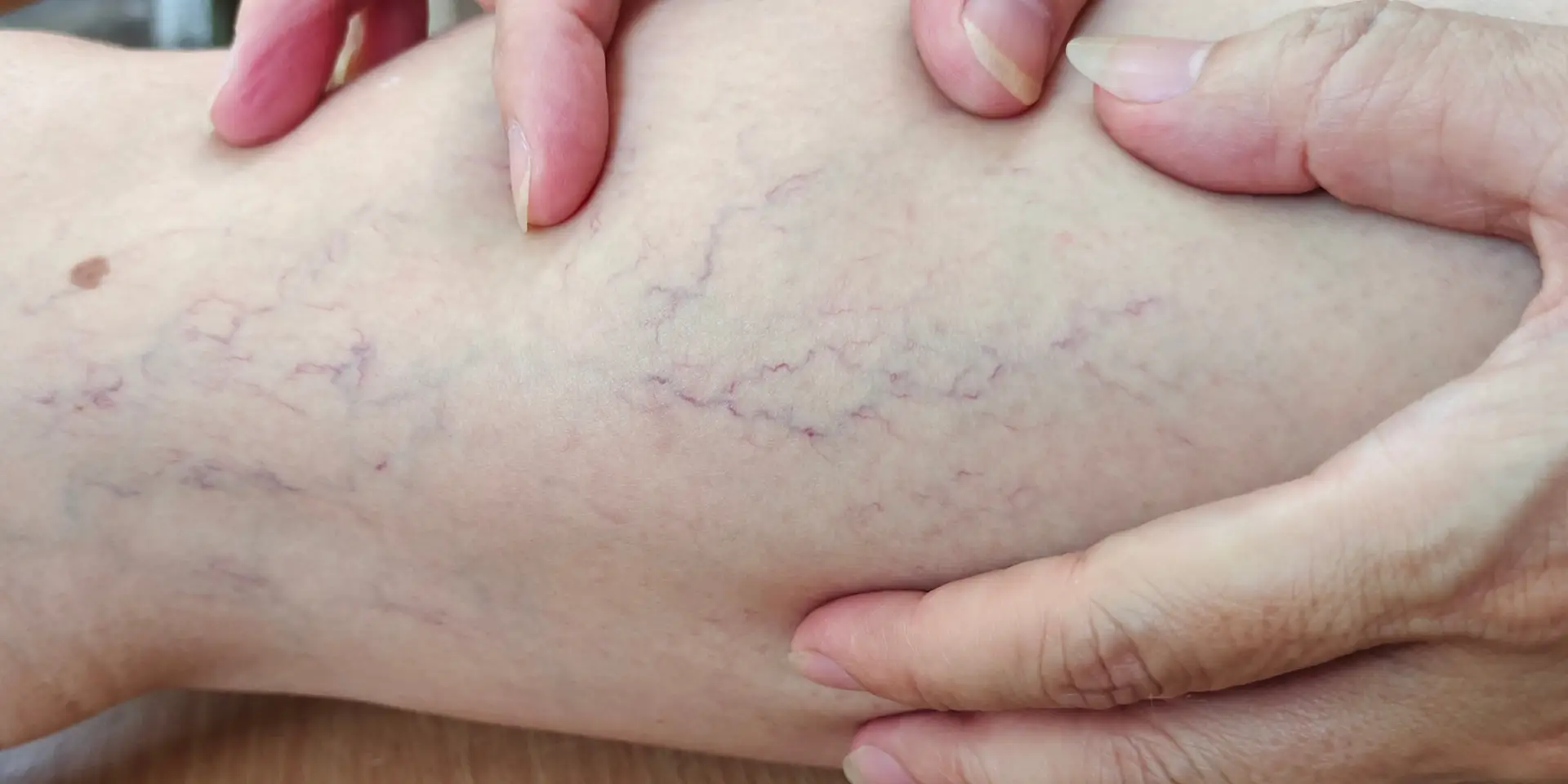
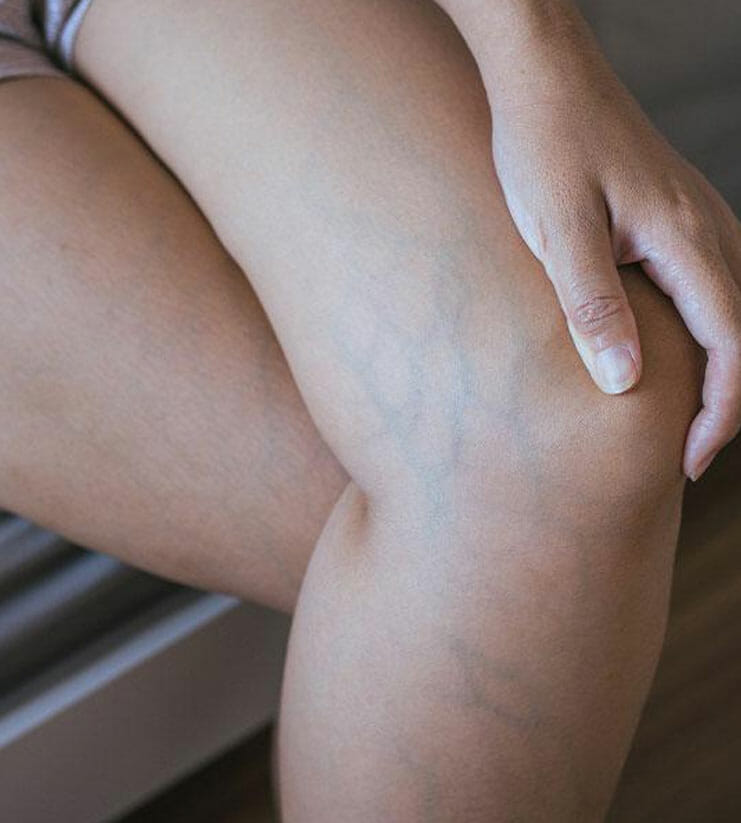
Visible veins that appear purple, blue, or dark in color are often the result of venous insufficiency, which affects how blood moves through the veins. According to the Mayo Clinic, varicose veins are swollen, twisted veins that are often visible under the skin. Spider veins are similar but smaller, appearing as fine red or blue lines that may resemble a web.
These changes occur when vein walls weaken or valves inside the veins do not function properly. Normally, one-way valves in the veins help push blood back toward the heart. When these valves are weakened or damaged, blood can pool in the legs, leading to increased pressure in the veins and causing them to enlarge and become more visible.
Common Causes of Purple Veins
Several factors can lead to the development of visible veins in the legs. According to the National Heart, Lung, and Blood Institute (NHLBI), poor blood flow and increased venous pressure are among the primary causes. Common contributing factors include:
-
Prolonged Standing or Sitting: Remaining in one position for extended periods can make it harder for blood to flow efficiently. People with jobs that involve long hours of standing or sitting often experience this issue.
-
Lack of Physical Activity: Regular movement helps the muscles in the legs contract and push blood upward. Inactivity can reduce circulation, leading to pooling of blood.
-
Obesity: Excess body weight can increase pressure on leg veins, making them work harder to return blood to the heart.
-
Pregnancy: Hormonal changes and increased blood volume during pregnancy can put extra pressure on the veins. The growing uterus also adds pressure to the veins in the lower body.
-
Genetics: A family history of varicose or spider veins increases the likelihood of developing them.
-
Age: As people age, veins may lose elasticity and valves may weaken, making veins more visible.
-
Lifestyle Factors: Smoking and diets low in fiber and nutrients can negatively affect circulation and vein health.
These risk factors may act alone or together to contribute to the development of purple or bluish veins.

When Purple Veins Indicate a Medical Condition
While visible veins are often harmless, in some cases, they may signal chronic venous insufficiency (CVI) — a condition in which blood does not flow properly back to the heart. According to Cleveland Clinic, CVI occurs when vein valves are damaged or weakened, leading to blood pooling in the legs over time.
Signs of Possible Circulation Issues
You should seek medical attention if purple or bluish veins are accompanied by symptoms such as:
-
Persistent leg pain or aching
-
Swelling in the ankles or lower legs
-
A heavy or tired feeling in the legs
-
Itching or skin changes around the veins
-
Open sores or ulcers near the ankles
If left untreated, CVI can lead to complications such as skin thickening, chronic swelling, or venous ulcers. Early diagnosis and proper management can help prevent these complications.
How Purple Veins Are Diagnosed
Healthcare professionals typically diagnose varicose or spider veins through a physical examination and a review of medical history. In some cases, they may use duplex ultrasound, a noninvasive imaging test that checks the flow of blood and the structure of the veins. This helps identify whether there is valve damage or blood flow obstruction that requires treatment.

Self-Care and Lifestyle Strategies
For many individuals, lifestyle changes and self-care measures can significantly improve vein appearance and reduce discomfort. The Mayo Clinic and CDC recommend the following strategies:
-
Exercise Regularly: Activities such as walking, cycling, or swimming help improve circulation and strengthen leg muscles, which assist in moving blood upward.
-
Elevate the Legs: Raising your legs above heart level several times a day can help reduce pressure in leg veins and prevent blood from pooling.
-
Maintain a Healthy Weight: Managing weight reduces pressure on the legs and supports healthy blood flow.
-
Wear Compression Stockings: These specially designed stockings apply gentle pressure to the legs, helping veins and leg muscles move blood more efficiently.
-
Avoid Long Periods of Standing or Sitting: If your job involves sitting or standing for long hours, take breaks to move or stretch your legs regularly.
-
Adopt a Balanced Diet: Eating a diet rich in fiber, fruits, and vegetables supports vascular health and may help prevent constipation, which can indirectly affect venous pressure.
These steps can help relieve mild symptoms and slow the progression of vein problems.
Medical Treatments for Varicose and Spider Veins
If lifestyle changes are not enough or if veins are causing discomfort, several medical treatments are available. According to Johns Hopkins Medicine, treatment depends on the severity of the condition and may include:
-
Sclerotherapy: A solution is injected into the vein, causing it to close and eventually fade. This is commonly used for spider veins and small varicose veins.
-
Laser Therapy: Intense light is directed at the vein, causing it to fade and disappear over time. It is often used for smaller veins.
-
Endovenous Thermal Ablation: Minimally invasive procedures using heat (radiofrequency or laser) to close off larger varicose veins.
-
Vein Stripping or Ligation: In more advanced cases, surgery may be required to remove or tie off affected veins.
-
Ambulatory Phlebectomy: Small incisions are made to remove superficial veins.
These treatments are typically performed by vascular specialists or dermatologists and are chosen based on individual patient needs.
When to See a Doctor
You should consider visiting a healthcare provider if:
-
You experience pain, swelling, or skin changes near visible veins.
-
Veins become suddenly swollen or warm to the touch.
-
You have a family history of venous disease.
-
Lifestyle changes do not improve symptoms.
A doctor can determine whether you have an underlying circulation issue and recommend the most appropriate treatment.

Takeaway
Noticing purple or bluish veins on your legs can be concerning, but understanding the underlying causes and risk factors can help you take proactive steps. While many cases are harmless, they can sometimes indicate chronic venous insufficiency or other circulatory issues that benefit from early intervention.
Through a combination of healthy lifestyle habits, regular medical checkups, and appropriate treatment when necessary, you can manage vein health effectively and reduce the risk of complications.