Tire Bulging: Causes, Dangers, and What You Should Do About It
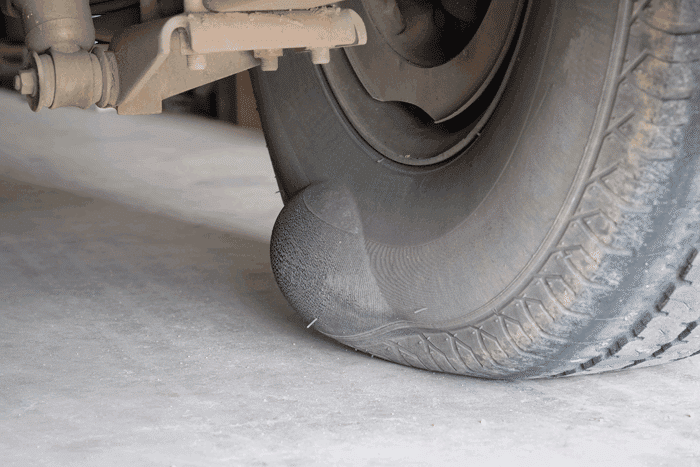
When you see a tire with visible round bulges like in the photo, it’s easy to overlook or dismiss it as just a cosmetic issue. But in reality, this is one of the most dangerous warning signs your vehicle can give. A bulging tire means there’s serious internal damage—and it could explode without warning while driving.
1. What Is Tire Bulging?
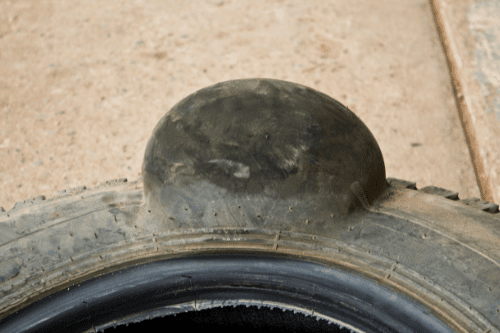
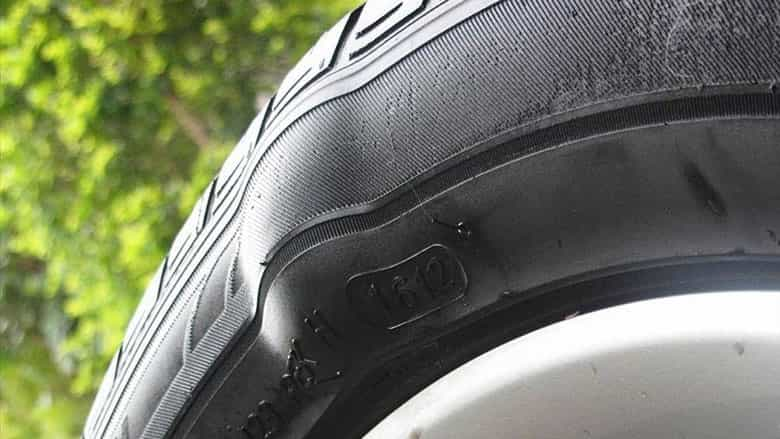
Tire bulging refers to the appearance of localized bubbles or lumps on the sidewall of a tire. Although the outer rubber may appear intact, the inner structure of the tire—specifically the reinforcing cords or plies—has been damaged or broken. The internal air pressure then pushes against the weakened area, creating a bulge.
2. Common Causes of Tire Bulging
There are three main reasons why tires develop bulges:
a. Strong impact or collision
The most common cause of bulging is hitting a pothole, curb, speed bump, or road debris. These impacts can break the internal cords of the tire, even if the outer rubber doesn’t show immediate damage. The result is a weak spot that swells under air pressure.
Video: Never burst tyre bubbles
b. Manufacturing defects or aging
Tires degrade over time—even if they’re not used regularly. As tires age, the bond between their internal layers can weaken, increasing the chance of separation and bulging. In some rare cases, factory defects can also lead to internal separation, making the tire unsafe from the start.
c. Incorrect tire pressure
Driving with tire pressure that’s too low or too high can stress the internal components of the tire. Underinflation causes excessive flexing and heat buildup, while overinflation concentrates pressure on specific areas. Both conditions can lead to internal damage and eventually, a bulge.
3. Why a Bulging Tire Is Extremely Dangerous
A bulging tire is essentially a ticking time bomb. Once the internal cords have failed, only the outer rubber stands between the compressed air and a blowout. With heat, pressure, and speed, this area can rupture without warning.
Potential consequences of a blowout include:
- Sudden loss of vehicle control, especially at highway speeds.
- Veering into other lanes or barriers.
- Endangering other drivers, particularly in heavy traffic.
- Increased risk of rollover in larger or taller vehicles.
This is not a condition you can “wait and see.” It demands immediate attention.
4. How to Spot and Respond to Tire Bulging
How to recognize it:
- Visible bubble or lump on the tire sidewall.
- Rhythmic thumping or wobbling noise while driving.
- Slight steering wheel vibration, especially at higher speeds.
What to do:
- Do NOT continue driving on a bulging tire.
- Replace the tire immediately—there is no safe way to repair internal damage like this.
- If it’s noticed on the road, pull over safely and either install a spare tire or call for roadside assistance.
Video: Tire Bubble Can Be Very Hazardous
5. How to Prevent Tire Bulging
- Check your tire pressure regularly, keeping it at the recommended level (found in the vehicle manual or driver-side door sticker).
- Avoid hitting curbs, potholes, or obstacles whenever possible—especially when driving fast or carrying heavy loads.
- Do not use tires past their expiration date—typically 5 to 6 years from the manufacturing date, regardless of tread wear.
- Buy tires from reputable brands and trusted suppliers to avoid defects.
- Inspect your tires often, both visually and at routine service checks.
Final Thoughts
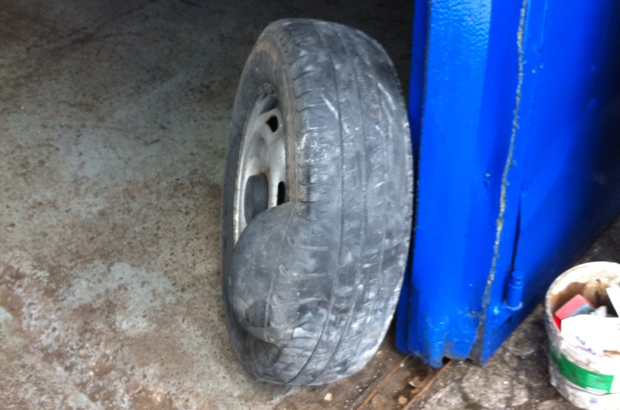
A bulging tire may look harmless at first, but it’s a serious safety threat. Even a small bulge indicates that the tire’s internal structure has failed and could lead to sudden, catastrophic failure. Your best move is simple: stop using it and replace it immediately.
Taking tire health seriously not only protects your vehicle—it protects your life and the lives of everyone on the road.